New 2026 payment rules are out. Check out our guide to stay compliant and avoid any unnecessary transaction headaches.
Table of contents
- Why cross-border payments often feel so expensive
- Visible and invisible charges
- How providers decide what to charge
- Compliance pressure and regulation
- What actually changes the price of your transfer
- Payment size and currency pair
- The route between countries
- Currency choice and conversions
- Processing time and urgency
- Limits and extra checks
- Comparing common ways of sending money abroad
- Main options at a glance
- How to pick a cheaper method without losing safety
- Key parameters to check before sending
- Transparency and communication
- Time as part of the price
- Security and support
- Practical ways to reduce the cost of sending money abroad
- Use multi-currency accounts when you can
- Always calculate the full price
- Prefer providers with clear, predictable pricing
- Compare rates and avoid bad conversions
- Automate recurring payments and monitor costs
Any time money crosses a border, someone takes a slice. For an individual it may be a few euros on a holiday transfer, while for a company it can be thousands a year in transaction costs spread across bank charges and currency exchange.
Global remittance studies show that sending a few hundred dollars abroad still often costs 5–7% of the amount, even though international bodies are pushing for a 3% target. That gap is exactly where your money disappears.
Why cross-border payments often feel so expensive
Visible and invisible charges
A single cross-border payment usually contains several layers of cost:
- Clearly listed transfer fees for processing the payment.
- A less visible markup on the exchange rate or foreign exchange spread.
- Extra banking fees taken by one or more intermediaries on the way.
The second element is easy to miss. Providers quote a rate that looks normal, but the exchange rate margin between that number and the mid-market rate can be larger than the stated fee.
How providers decide what to charge
Behind the scenes, each provider has its own way of pricing transfers:
- Some use flat pricing for small amounts.
- Others prefer percentage-based models for larger sums.
- Many combine both and then add their margin to the currency exchange.
Traditional banks may rely on a SWIFT transfer that passes through at least one correspondent bank. Each extra stop adds its own cost and creates more room for delays or unexpected deductions on your cross border payment.
Compliance pressure and regulation
Cross-border money flows are closely watched. Every serious financial institution must:
- Identify clients and track where funds come from.
- Screen payments against sanctions lists.
- Report suspicious activity to regulators and store data securely.
This legal and compliance work is not free. The more complex the route or destination, the more checks are needed, and part of that cost is built into the final price of an international transfer.
What actually changes the price of your transfer
Payment size and currency pair
The size of the payment and the currencies involved set the basic level of cost:
- Fixed charges hurt small remittance amounts more.
- Percentage fees become noticeable on large invoices.
When you send money between two “major” currencies with deep foreign exchange markets, spreads are usually tight. Less liquid currency pairs often come with wider margins and fewer options, which naturally pushes up transaction costs.
The route between countries
The countries of the sender and recipient influence:
- How many intermediaries are needed for sending money abroad.
- Which local partners the main provider can use.
- What kind of documentation is required.
Some corridors are very competitive and cheap. Others, especially towards smaller or higher-risk markets, are still pricey because few companies operate there.
Currency choice and conversions
Currency choice can trigger hidden currency conversion steps:
- Your bank converts from EUR into USD.
- The receiving bank converts from USD into local currency.
Each institution uses its own exchange rate, so the final customer pays several markups. Whenever possible, it is cheaper to send money directly in the currency the recipient actually spends, using a provider with clear rules for currency exchange.
Processing time and urgency
Faster is not always more expensive, but speed and price are linked:
- “Express” or “instant” options tend to cost more.
- Economy routes batch many payments together and take longer.
For companies involved in international commerce, a slow payment can act like an invisible charge: late settlement might mean blocked stock, penalties, or less trust from suppliers.
Limits and extra checks
Some countries or corridors have:
- Low limits per operation or per month.
- Additional checks for specific industries.
- Tighter supervision for certain types of money transfer.
If a payment exceeds these thresholds, extra checks may pause the transfer and lead to higher overall costs.
Comparing common ways of sending money abroad
There is rarely one “best” method. Each solution has its own mix of fees, speed, and flexibility.
Main options at a glance
| Method | Typical cost level* | Average delivery time | Coverage & limits | Main pros | Watch out for |
|---|---|---|---|---|---|
| Bank SWIFT transfer | Medium–high | 2–5 business days | Good for business accounts, but quality varies by country | Familiar, works for large sums | Intermediary deductions, slow |
| Online remittance service | Medium | Minutes–2 days | Strong on popular remittance routes | Simple apps, cash-out locations | Cash pickup charges in destination |
| Fintech multi-currency account | Low–medium | Same day–2 days | Designed for SMEs and freelancers working in international commerce | Better FX, tools for automation | Possible monthly or account fees |
| Card or wallet for online spend | Medium–high | Instant–1 day | Great for small online purchases | Convenient for everyday use | High FX markup, dynamic conversion |
*Total cost including the approximate spread on the exchange rate.
Fintech platforms and purely digital services are gradually bringing costs down, but conditions still vary a lot between providers and corridors.
How to pick a cheaper method without losing safety
Key parameters to check before sending
Before you press “send”, look at more than the big button:
- Final amount the recipient will receive.
- Total price, including any lifting fees from intermediaries.
- Limits per transaction and per month.
- Whether the transfer goes to a bank account, card, wallet or merchant account.
If you are paying suppliers or contractors regularly, check how well the service integrates with your invoicing tools or payment gateway.
Transparency and communication
Good providers are upfront about how they make their money. Look for services that:
- Offer a clear breakdown of all transfer fees and FX margins.
- Provide a calculator that shows the full amount before you confirm.
- Use simple language instead of vague “no fee” marketing.
International organisations encourage more openness on remittance pricing, because people often underestimate how much they lose in the spread.
Time as part of the price
Treat time as part of the price: sometimes paying a bit more for a reliable route keeps your overall transaction costs lower.
A slightly cheaper method is not always the smartest choice:
- If a payment arrives late, you may pay penalties or damage relationships.
- Unpredictable delivery times make it harder to manage cash flow.
Security and support
Finally, check the less exciting but important details:
- The provider should be licensed as a financial institution in your region.
- Funds should be safeguarded and kept separate from company money.
- Support should be reachable when something goes wrong.
If reviews show slow responses or lost payments, even low transfer fees are not worth the risk.
Practical ways to reduce the cost of sending money abroad
Use multi-currency accounts when you can
For regular cross-border business, a multi-currency account is often the biggest saver:
- Receive and hold funds in several currencies.
- Convert only when the exchange rate is attractive.
- Pay partners directly from balances in their currency.
This approach cuts extra exchange-rate margin and avoids repeated conversions.
Always calculate the full price
When you compare offers:
- Add visible transfer fees and estimated FX markup.
- Ask about any fixed charges from intermediaries.
- Focus on what the other side actually receives, not just what you pay.
A low advertised fee with a poor rate can cost more than a slightly higher fee with a fair rate.
Prefer providers with clear, predictable pricing
Look for services that:
- Publish stable tariffs for key routes.
- Use simple, transparent-fee models without hidden extras.
- Explain their pricing structure in plain language.
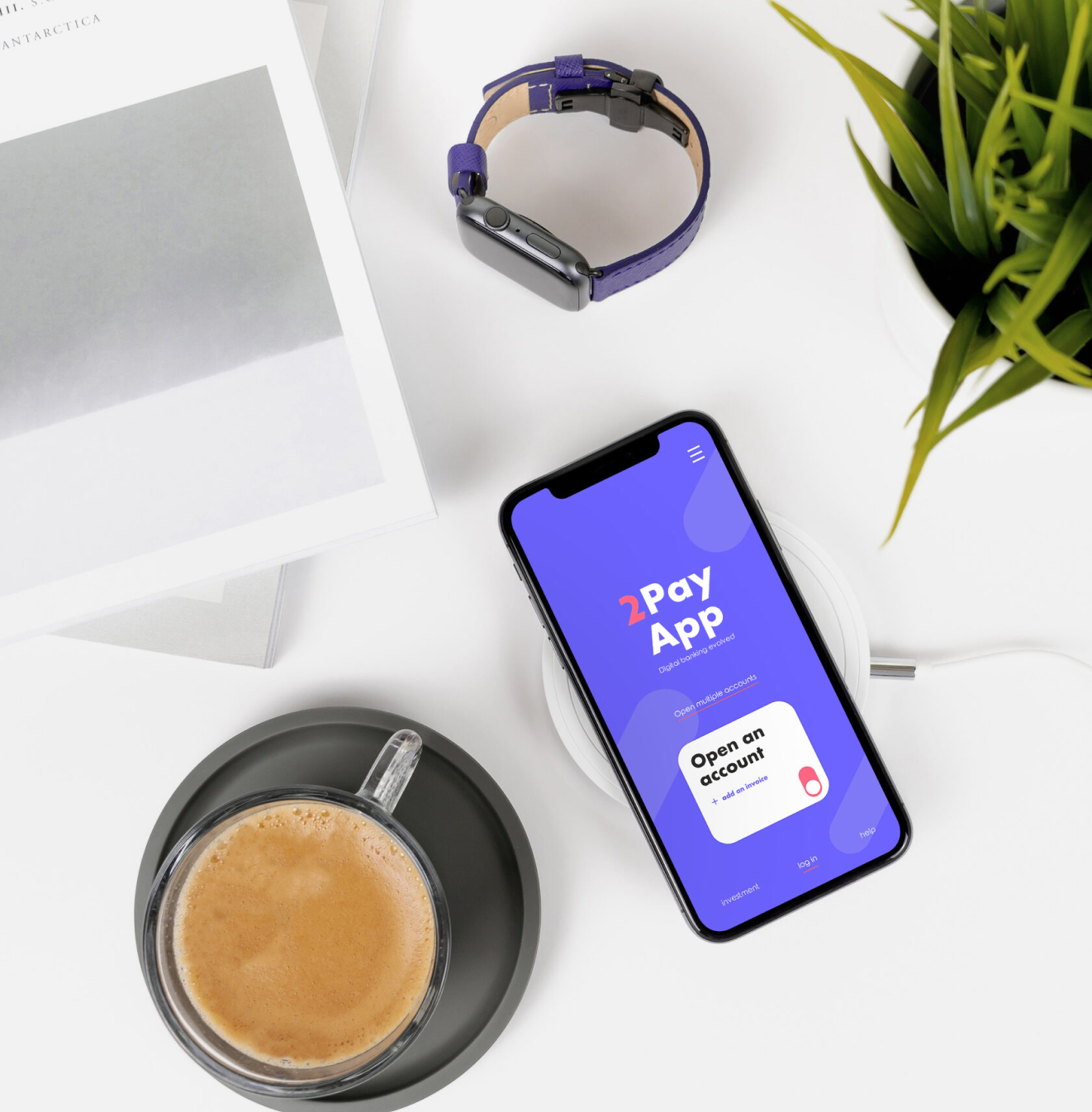
Business-oriented solutions such as 2PayApp combine multi-currency accounts with straightforward pricing for cross-border payment flows, which makes planning international payouts easier without turning every invoice into a small research project.
Compare rates and avoid bad conversions
Before each large international transfer:
- Check an independent mid-market rate and compare it with your provider’s offer.
- Be careful with “pay in your home currency” options at terminals or online checkouts, which often use very weak rates.
- Where possible, let your own bank or chosen platform handle the conversion instead of the merchant.
A difference of just half a percent on a big invoice can matter more than any visible fee.
Automate recurring payments and monitor costs
If you send salary, rent, or supplier payments on a schedule:
- Automate them to avoid late fees and manual errors.
- Group several small payments into a single batch where it makes sense.
- Review your average cost per corridor from time to time and switch providers if pricing drifts up.
Cross-border payments will never be completely free, but with a basic understanding of how providers price their services and a few practical habits, you can keep more of your money on the receiving side and less in the hands of intermediaries.